
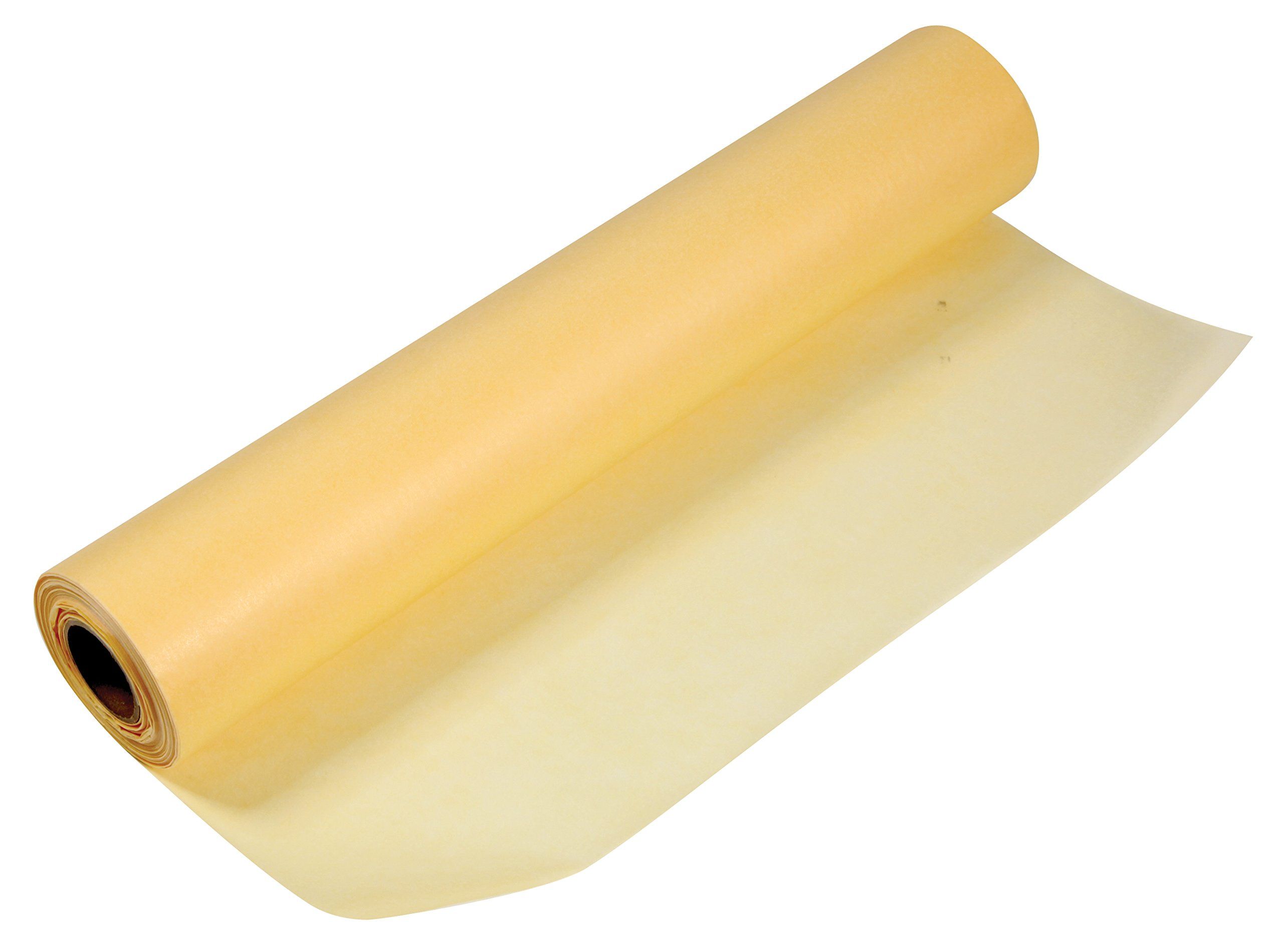
The custom butter paper has now become an essential thing, not only in the food business but also in home kitchens. It is applied both in wrapping pastry and lining of baking trays, and the food is not sticky or burnt. However, the question arising is whether one can use butter paper in a microwave or not.
Its resistance to heat and makeup ensures that food is not contaminated or paper is not burnt. The quality and the type of butter paper determine the safety of the microwave. In this paper, the behaviour of different types in the presence of heat shall be discussed, and what should be considered before microwaving.
Understanding Butter Paper
Before determining whether butter paper is safe or not, one should be aware of what it is. Butter paper Butter paper Butter paper is prepared using non-stick butter papers that have a layer of a heat-resistant paper, like silicone or wax, so that food will not stick to it. This makes them be used in the kitchens to cook, wrap and bake. Butter papers are not, however, identical. Some of them can be subjected to heat, and some can be smoked or even burnt when subjected to the microwave. To establish the kind of paper to be used in wrapping food, always refer to the needs of the manufacturer so as to establish whether to use it in a microwave or just wrap the food and then leave it cold.
Microwave Heat Behaviour
Butter paper behaviour during a microwave, independent of the covering material and the thickness. The inks and coatings applied in printing butter paper are not always able to resist long-term exposure to heat. Otherwise, the inks utilized possibly need to be food grade or heat resistant, or they may spread to food or stalemate during heating. Therefore, when it comes to butter paper as a wrap in a microwave, it must be branded as a heat-resistant wrap that is heat-resistant and should be made of non-toxic materials. Reheating time should not be much of a threat, although it is important to avoid very long durations of microwaving.
Role in Baking Applications
As far as baking is concerned, the baking paper has been made to withstand heat. It has a melting point of 220 deg C (428 deg F) and it neither burns nor oxidizes poisonous substances. Bakers will commonly wrap pans or trays in this kind of paper to ensure that they have a smooth non non-sticky surface. Its casing, which is mostly made of silicon, provides a uniform distribution of heat whereby there are no burned products. Butter paper baking and common wrapping butter paper are not a part of each other, and it is impossible to think that they can be used in the microwave.
Compared to Other Materials
The roll of butter paper is one of the most useful and convenient materials that goes through the kitchens. It allows the customers to cut their own lengths to suit their various purposes, e.g. wrapping sandwiches or covering plates. Parchment and wax paper are used comparatively with different heat resilience in parchment and wax paper by the use of parchment and wax paper parchment and wax paper rolls. Butter paper will normally be better able to absorb the microwave heat as compared to the wax paper, which melts easily. However, exposure times should be minimal to prevent overheating by the users. When rolling, one should make sure that he or she contemplate those that are labelled as safe in the microwave to deliver quality results in preparing food.
Custom Printing Concerns
Modern branding tends to involve the addition of graphics or logos to the packagin,whichat has led to custom-printed butter paper. In spite of its visual appeal, the printed design approach may also have an effect on the microwave activity when non-heat-resistant inks are used. The most appropriate alternative is that of trading with suppliers who use food-grade printing technologies. The inks employed are heat-safe and do not impact the integrity of the inks employed in moderate microwave conditions, and do not pose a threat to food safety. In uncertainty, one can always test bits at a time. Always make sure that the material used anthe d coating of print are of microwave quality with the suppliers.
Thickness and Durability
The overall resistance of the butter paper sheet helps in the response to the microwave heat substantially. Silicone-coated sheets of a heavier weight have a better chance of operating and being non-sticky, and they do not scorch. Untreated thin papers may, on the other hand, get curved or dark. No direct contact of the heating components is present before proceeding to the microwaving, which involves the concentration of heat loclocallyand this can potentially result in charring of the paper. Microwave application of sheets at high intensity is not suitable to give the best results, but rather short bursts or medium-intensity use.
Brand Identification Printing
The logo butter paper has become a staple of numerous food companies in the modern world because it contributes to the improved presentation of the food and enhancement of the brand image. The custom papers provide a formalized and organized list of takeout meals. However, the assistance of the logo prints should be experimented with in a microwave. The sound manufacturers use non-toxic inks that do not change or leech out when exposed to high heat conditions. Always tell the supplier what you intend to do with it: microwaving, baking, cold storage, etc., to be sure that he or she can give you the necessary paper that will not lose its appearance and functionality.
Quality from Manufacturers
The choice of the right manufacturer of Custom paper wholesale will determine their safety and performance. Experienced suppliers understand how to balance the functionality, beauty, and safety in designs. They offer some of the materials that have been tested to be utilized under various conditions, such as microwaving, and those that do not react adversely. Reputable manufacturers may also provide food safety compliance. When selecting a supplier, make sure that you select suppliers whose relationship is good, and testing procedures can be viewed as that. When you get your own custom butter paper, you will find that it works in the heat and keeps food safe.
Conclusion
Custom butter paper can only be considered safe when it is designed and tested to be heat-resistant. It depends on the material used in its coating, the kind of ink, and manufacture on the performance. Never forget that the paper you purchase should be the one that is marked as a microwave-safe paper and also that should be purchased by a vendor whom you trust.
It could be warming up the food you prepared yesterday, or it can be wrapping the prepared goods in baked goods, but in case, the appropriate kind of butter paper enhances the safety and appearance.